A crisp, tapered jawline can change the entire character of a face. It reads gentler on camera and in person, and it helps the cheekbones and lips take the spotlight. For many of my patients, especially those seeking a more feminine profile, jawline slimming with Botox fits the brief: predictable, quick, minimal downtime, and adjustable over time. It is not just a cosmetic trick, either. When done correctly, masseter reduction can ease clenching and teeth grinding. The key is technique, dosing, and a clear understanding of how facial muscles shape the face.
What we are actually changing when we “slim the jaw”
The lower face is a balancing act between bone, fat pads, skin, and muscle. The masseter muscle, which sits at the back corner of the jaw and helps you chew, can become bulky from genetics, chronic clenching, gum chewing, or bruxism. In profile, this creates a boxy silhouette. Relaxing the masseter with botoxinjections reduces its activity. Over several weeks, the muscle atrophies slightly. The jawline looks less square, the lower face narrows, and the angle from ear to chin softens.
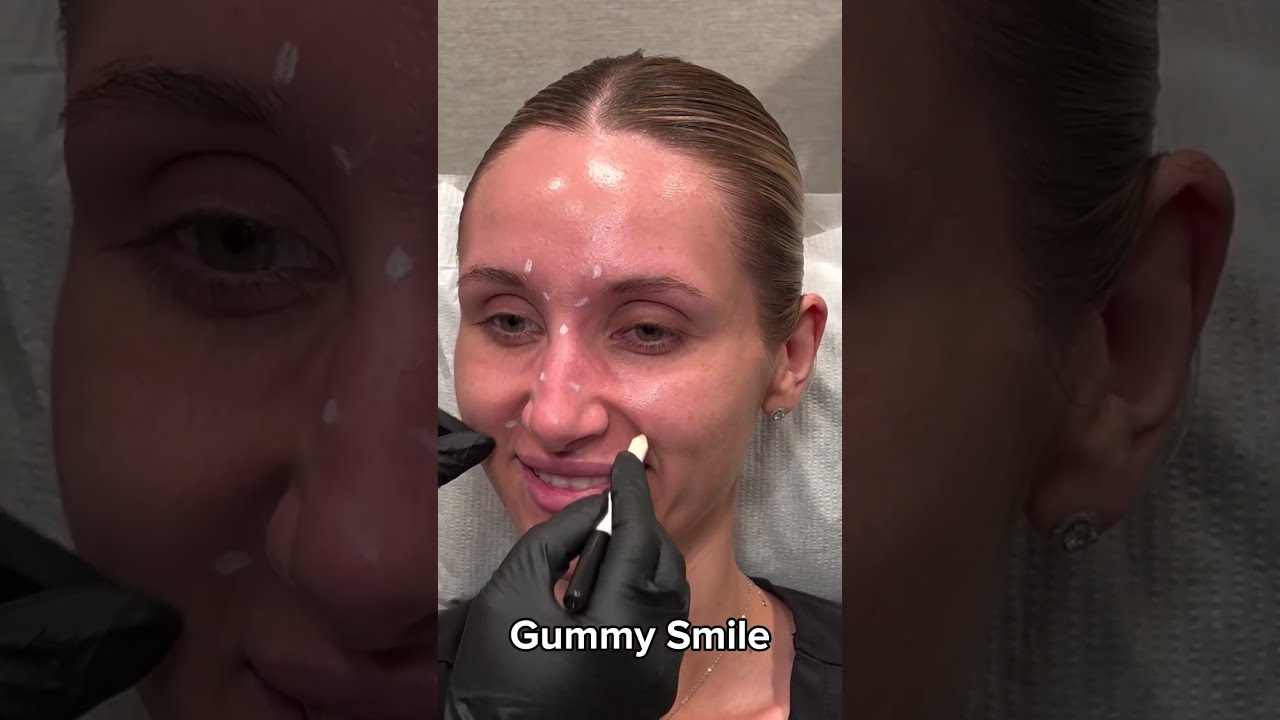
Not every wide jaw comes from the masseter. Some faces are broad due to bone structure, dental occlusion patterns, parotid gland fullness, or lower-face fat distribution. This is where clinical assessment matters. I palpate the muscle while you clench to gauge size and strength, look at your bite and smile, and review habits that might be driving hypertrophy. If it is muscle, Botox is the right tool. If it is bone or fat, we discuss other options such as fillers to contour the chin, energy devices for fat reduction, or, rarely, surgical approaches.
Who tends to do well with this treatment
My happiest outcomes share a few features. The best candidates have visible masseter bulk when clenching or a square lower face that was not present in childhood photos but developed over time with grinding. They want a softer, more tapered jaw without adding volume. They can accept a gradual change that peaks around six to eight weeks after treatment, not an instant angle in a day. And they are comfortable returning for maintenance because muscle activity does come back.
I also see excellent functional results in patients with bruxism or TMJ‑related pain. When jaw muscles are chronically overworked, relaxing them can reduce morning headaches and tooth wear. Relief varies, and it is not a substitute for dental care, but for many, botoxforbruxism and botoxfortmj make a real difference in quality of life.
How much Botox is used and where it goes
Dosing is not one size fits all. In a petite masseter with mild hypertrophy, I might start around 20 to 25 units per side. In larger, very strong masseters, 30 to 50 units per side is common. Some patients require more after the first session once we see how the muscle responds. I prefer to layer treatment, beginning conservatively then adjusting at a four to six week review, rather than overshoot and risk chewing weakness.
Injection points sit within the bulk of the masseter, typically three to five sites spread across the thickest part of the muscle. Depth matters. Too superficial and you risk affecting the zygomaticus and smile. Too anterior or inferior and you can affect the depressor anguli oris or medial pterygoid patterns, leading to asymmetry or smile heaviness. I mark boundaries by asking you to clench and trace the muscle borders, then by assessing at rest. In faces with a pronounced parotid tail, I keep a safe buffer to avoid the gland.
Technique differs between men and women. For feminization, I focus on reducing masseter bulk while preserving function, and I often pair it with subtle chin shaping. For masculine contouring, I sometimes target upper masseter to soften bulk but preserve a strong angle. If the goal is a feminine V‑line, chin projection with a hyaluronic acid filler can refine the effect, although that is optional and not always necessary.
What it feels like and how recovery works
Most describe the appointment as quick and surprisingly straightforward. A topical anesthetic is not usually required, but ice reduces botox near me the sting. The needle pricks are brief. Afterward, you may have mild tenderness at the angle of the jaw, a small bruise or two, and a feeling of “I did a lot of chewing” for a day. Many go right back to work. I ask you to skip strenuous exercise, facial massage, and sleeping face‑down for the rest of the day.
You will not wake up with a new jaw the next morning. Botox takes three to seven days to start relaxing the muscle. Visible slimming shows up progressively over three to eight weeks, because that is how long muscle atrophy takes. Most patients schedule a review at week four or six. If we need a touch‑up, I target areas that are still active when you clench.
How long it lasts and why maintenance is a virtue, not a flaw
Results typically hold for four to six months in first‑time patients. With repeated sessions, the muscle often stays smaller for longer, especially if you reduce the habits that drove hypertrophy. Many patients can extend to six to nine months between visits after the second or third round. Think of it like muscle training in reverse: regular sessions keep activity where you want it. If you stop altogether, your masseters slowly return to baseline over several months.
Maintenance carries a hidden benefit. Because we can adjust dose and placement each time, the jawline can be tuned as your face changes with age or as your dental work evolves. This flexibility is something you do not get with bone shaving or permanent implants.
Safety profile and what can go wrong
Botox has been studied for decades with strong safety data when administered correctly. In masseter reduction, the most common issues are mild chewing fatigue for a week or two and transient tenderness. Most patients adapt quickly, and normal chewing resumes as the brain rebalances load across the masticatory muscles.
Less common but important to discuss: asymmetry if one side takes more than the other, a smile that feels slightly heavy if the product diffuses into the zygomatic muscles, and the rare case of dry mouth or sunken volume if dosing is too aggressive in a very lean face. Bruising or swelling can happen, usually small and self‑limited. I avoid high doses in the first session on underweight or low body‑fat patients and I map the smile lines carefully while I inject. Experience shows that thoughtful, layered dosing avoids nearly all of these pitfalls.
A practical tip I give grinders: do not test the muscle constantly after treatment. Repeated clenching workouts fight the result and can create soreness. Let the relaxation do its work.
How jawline slimming fits with the rest of your face
A face is a composition. Narrowing the jaw can shift attention to the midface and lips, which can be great, but balance matters. Some patients benefit from small enhancements elsewhere to keep harmony. Softening chin dimpling with botoxforchindimpling can smooth the mentalis and elongate the lower third. Treating platysmal bands with botoxforplatysmalbands refines the neck and supports a clean angle under the jaw. If the brow feels heavy compared to a newly delicate jaw, a subtle botoxforbrowlift in the frontalis and glabella can open the eyes. On camera, even a tiny adjustment to botoxforforeheadwrinkles or botoxforcrow'sfeet can improve how light plays across the face.
If lip lines steal focus after slimming, a touch of botoxforliplines or a micro‑dose filler can soften them. And if smile gummy exposure looks more pronounced by contrast, targeted botoxforgummysmile can help. None of these are mandatory, but in real practice, the best results come from a cohesive plan rather than a single maneuver.
Feminization goals, phrased plainly
When patients ask for a softer, feminine look, they usually mean three things. First, less width at the back of the jaw so the lower face does not compete with the cheeks. Second, a smoother transition from ear to chin without a bulky corner. Third, a slightly longer or more tapered chin rather than a blunt one. Botoxforjawlineslimming handles the first two elegantly. The third sometimes needs a millimeter or two of chin filler. I show patients their likely endpoint by asking them to clench and relax, then pressing across the masseter to simulate reduced bulk. It is not exact, but it helps set expectations.
In gender‑affirming care, jawline slimming can be one piece in a broader plan. It pairs well with a conservative botoxforbrowlift to open the eyes, botoxforbunnylines if smiling creates nose scrunching, and selective softening of frown or forehead lines so expression reads friendly but not frozen. The degree of change is always patient‑led. Some want a whisper of softness, others aim for a marked transition. The beauty of botoxtreatment is its adjustability.
Cost, units, and what drives the price
When patients search botoxnearme or ask about botoxcost, they find a wide range. Pricing is often per unit, sometimes per area. Masseter reduction typically uses more units than a forehead or crow’s feet visit, so the session cost is higher. In many clinics, that means somewhere between 40 and 100 units total across both sides, adjusted to muscle strength and gender goals. If your provider charges per unit, you will see a straightforward multiplication. If they price per area, ask about upper versus lower face distinctions, because the masseter is not a standard “wrinkle area.”
Remember that price reflects more than product. Expertise in facial anatomy, a conservative plan that avoids complications, and a structured follow‑up save money and stress in the long run. I have corrected more than a few cases where a bargain session left someone with uneven chewing or a drooping smile. Good work looks natural and lasts the interval it should.
How this differs from filler in the jaw and chin
Patients sometimes confuse slimming with contouring. Jawline filler builds angles and straight lines along the bone. It can look striking but does not reduce width. For a feminine look, I reserve jaw filler for cases with jowling or skin laxity that need a scaffold, and even then, with caution to avoid a blocky side view. Chin filler, on the other hand, often complements slimming by adding a touch of projection or vertical length, which makes the lower face look slender without sacrificing structure.
I avoid using filler to hide a bulky masseter. It rarely works, and it adds weight where we want lightness. If your goal is a softer jaw, start with botoxformasseterreduction. If you still need definition afterward, we can add a little volume in the right plane.
Functional side benefits: bruxism and migraines
A not‑so‑secret perk of masseter Botox is symptom relief for grinders. Patients report fewer morning headaches and less tooth wear. The mechanism is simple: a less powerful masseter cannot clamp down as hard against the molars. For those with botoxformigraines, pericranial injections at the temples, forehead, and occipital points are part of established protocols. While masseter treatment is not a primary migraine therapy, reducing trigger tension in the jaw can help in select cases.
If you wear a nightguard, keep using it. The device protects enamel and distributes force. The combination of a guard and targeted relaxation tends to deliver the best long‑term oral health.
What to expect at a good consultation
A thorough consult starts with your goals and history. I ask about jaw pain, dental work, gum chewing, nail biting, headaches, and any prior botoxforwrinkles experience. I review medical history to screen for neuromuscular disorders, pregnancy, breastfeeding, and medication interactions. Then I examine your face at rest and in motion, palpate the masseters while you clench, and check for facial asymmetry. Most of us have a dominant chewing side; dosing accounts for that.
I take standardized photos from multiple angles. We discuss how many units, the planned injection map, anticipated timeline, and how we will evaluate success at follow‑up. If there are potential adjuncts, like botoxforsmilelines or botoxforfrownlines to balance expression, I explain why they might help. I also set functional expectations. You will still eat steak and apples, but you may feel early fatigue the first week. That usually fades as your bite pattern adjusts.
Stackable treatments that elevate the result
Once the masseter slimness shows up, patients sometimes ask what else can upgrade their lower face. If skin quality is the limiter, I might suggest collagen‑stimulating microneedling or gentle energy devices. For neck banding, small doses of botoxfornecklines or botoxforplatysmalbands can polish the neckline. If hyperhidrosis along the hairline or under the arms is an issue that affects hair styling or clothing choices, botoxforunderarmsweating or botoxforexcessivesweating can be life‑changing and improve confidence in social settings. These are not vanity fixes, they are practical quality‑of‑life gains.
For those who want less facial asymmetry, a touch of botoxforfacialasymmetry across one side’s masseter or in the depressor muscles can even things out. In select smiles that pull hard to one side, tiny adjustments in the levator labii and DAO smooth the arc.
Realistic expectations and edge cases
A few scenarios require a different path:
- If your jaw width is primarily bony, botoxforjawlineslimming will not achieve a dramatic change. A surgical consult may be appropriate, or we can target a softer overall effect with complementary treatments. If your parotid gland is enlarged or you have significant lower‑face fat fullness, slimming the masseter alone may not change the silhouette much. Here, we discuss fat reduction strategies or medical causes for gland enlargement. If you are an elite athlete or heavy gum chewer, results may wear off sooner. Adjusting habits improves durability. If you have very thin lower‑face tissue, too much atrophy can unmask hollows. Conservative dosing avoids a hollowed, older look.
I would rather promise a 15 to 20 percent narrowing and deliver more than overpromise and disappoint. Most patients see a credible, photographable change that friends describe as “you look rested,” not “what did you do?”
How often to come back and how to plan around life
If you are new to masseter treatment, plan two visits six to eight weeks apart for the first round. The first delivers the bulk of the change, the second fine‑tunes asymmetry and calibrates dose. After that, expect maintenance every five to seven months on average. If you have a wedding or photoshoot, count backward eight to ten weeks from the date for the first session, leaving room for an adjustment at week four. Avoid scheduling heavy dental procedures the botox solutions in Ann Arbor, MI same week, not because of danger, but to keep the area calm and reduce soreness.
Where Botox shines beyond the jaw
While we are focused on the jawline, many patients bundle other small corrections at the same visit for efficiency and a cohesive aesthetic. These may include botoxforforeheadlines, botoxforcrow'sfeet, botoxforfrownlines, or botoxforsmilelines if expression lines are stealing focus. Nose scrunching can soften with botoxforbunnylines. For neck rings or tech neck, botoxfornecklines helps. Excess sweating can be treated with botoxforhyperhidrosis, especially in the underarms. The overall effect is a face that moves naturally, just more elegantly.
A brief word on product choice and technique
Botox is a brand name for onabotulinumtoxinA. Other neuromodulators, like abobotulinumtoxinA and incobotulinumtoxinA, have similar effects with slightly different unit potencies and diffusion profiles. In the masseter, precision beats spread. I choose formulations and dilution based on muscle size and the patient’s prior response. For example, in a very strong masseter where I want a tight field, I use a dilution that keeps product where I place it. In a patient with uneven bite, I may map more injection points with smaller aliquots to finesse the contour.
The artistry shows in what I do not treat. I protect the risorius and zygomaticus planes to avoid smile heaviness. I avoid the anterior border if someone has a very active depressor anguli oris. Each of these choices comes from watching thousands of smiles and bites in motion.
Frequently asked practical questions
Will I struggle to chew? Most people notice mild fatigue with very tough foods in the first week or two. Day‑to‑day eating is not a problem. If you are a competitive eater or you chew gum all day, you will feel the change more.
Will it make my face look gaunt? Not if dosed right. In very lean faces, I use lower units and space treatments further apart. If needed, we add micro‑volume along the jaw with a soft filler later.
Can I combine this with filler on the same day? Yes, but not usually in the same exact area. Chin or midface filler can be done immediately after masseter injections. If I am considering jawline filler near the masseter, I often stage it a few weeks later to see how much slimming we achieved.
What if I only want functional relief for grinding, not cosmetic change? We can aim for a lower dose that reduces clenching force with minimal visible slimming. There is still some contour benefit, but it is subtler.
How fast can I go back to the gym? Light exercise is fine the next day. I prefer patients skip high‑intensity training the day of treatment to limit bruising and migration risk.
When to consider alternatives
If skin laxity is the primary concern, neuromodulators are not the fix. Energy‑based tightening or collagen stimulation is a better starting point. If you want a sharp mandibular angle that reads overtly sculpted, jawline filler or surgical implants do what Botox cannot. If you need dramatic reduction and you are comfortable with surgery, bone contouring permanently changes width and angle. Botox remains the safest, most adjustable path for most people seeking a softer lower face without downtime.
Finding the right provider
Skill matters more than brand. Look for a clinician who evaluates your bite, palpates the muscle, and explains the plan in units and maps, not just “small, medium, large.” Before‑and‑after photos with consistent lighting and angles reveal a lot. Ask about follow‑up policies. A provider who offers a check‑in at four to six weeks is invested in your result.
If you are searching botoxnearme, call and ask specifically about experience with botoxformasseterreduction and feminizing goals. The right fit is someone who answers directly, sets realistic timelines, and welcomes your questions about function as much as appearance.
The quiet power of a softer jawline
Cosmetic work succeeds when it fits your face and your life. Jawline slimming with Botox does both. It reshapes by subtraction rather than addition, which keeps faces light and fresh. It can relieve clenching, protect teeth, and make photos kinder. And because it is a course you pilot over time, it respects the natural shifts in your features and preferences. If a gentle, feminine lower face is on your wish list, this is one of the few treatments that consistently delivers it with little fuss and a lot of control.